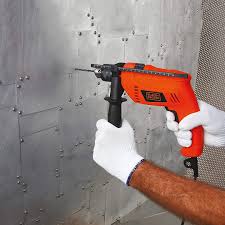
Using a drill machine makes DIY work, home repairs, and professional tasks much easier. Whether you use a Drill Machine for Home Use, an Electric Drill Machine, or a Heavy-Duty Drill Machine, learning how to operate it safely is the first step toward efficient and risk-free work. This guide covers everything you need to know, from types of drill machines to safety tips, proper usage, and maintenance practices. With growing demand for powerful tools like the Heavy-Duty Hammer Drill Machine, Portable Drill Machine, and professional-grade drilling equipment, understanding safe operation is more important than ever.
Why Safety Matters When Using a Drill Machine
A drill machine is a powerful tool. It rotates at high speed and can pierce wood, metal, tiles, and concrete with ease. If used carelessly, even a minor mistake can cause injury to your hands, eyes, or face. Many beginners assume that a Drill Machine for Home Use is safe by default, but all machines, whether small or industrial, require careful handling. Safety rules not only protect you but also extend the lifespan of your tools and help you complete your work smoothly and confidently.
Know the Types of Drill Machines Before You Start
Choosing the right tool is the first step in safe usage. Let’s understand the most common drill types:
1. Electric Drill Machine
The most commonly used drill machine. It works by plugging into a power outlet and is suitable for daily drilling tasks such as assembling furniture, hanging frames, or fixing shelves.
2. Portable Drill Machine
Lightweight and easy to carry, ideal for household tasks and small repairs. A Portable Drill Machine works well for quick drilling jobs without requiring heavy force.
3. Heavy-Duty Drill Machine
Built for professional construction, industrial work, and long hours of drilling. A Heavy-Duty Drill Machine handles tough materials like thick wood, metal sheets, and concrete blocks.
4. Heavy-Duty Hammer Drill Machine
This tool produces a hammering action while drilling. A Heavy-Duty Hammer Drill Machine is used for drilling in concrete walls, stone surfaces, and solid structures.
5. Electric Hammer Drill Machine
If you need both power and speed, an Electric Hammer Drill Machine Manufacturer supplies tools made for masonry, tiles, cement, and brickwork.
6. Cordless Hammer Drill Machine
A battery-powered drill for mobility and outdoor work. A Cordless Hammer Drill Machine Exporter offers tools perfect for professionals who need freedom of movement without power cables.
Understanding these categories helps you select the right tool and prevents misuse or overload, which can lead to accidents.
Essential Safety Tips Before Using a Drill Machine
Follow these basic but important safety rules:
1. Wear Safety Gear
Always wear:
-
Safety goggles
-
Gloves
-
Dust mask
-
Strong footwear
This protects you from flying debris, dust, and accidental slips.
2. Check the Drill Machine Before Use
Inspect the drill body, chuck, wires, and bits. A cracked body or damaged wire is unsafe, especially when using an Electric Drill Machine.
3. Choose the Right Drill Bit
A metal bit cannot be used on concrete and vice versa. If you are handling a Concrete Hammer Drill Tool, choose bits designed for stone and masonry.
4. Secure Your Work Surface
Always clamp or hold the surface firmly to avoid movement during drilling.
5. Hold the Machine Properly
Grip it with both hands, keep your balance steady, and place your feet firmly on the ground.
Safe Drilling Techniques for Best Performance
1. Mark the Drilling Spot
Use a pencil or marker to outline where you want the hole. This ensures accurate drilling and avoids damage to the wall or surface.
2. Start at Low Speed
Beginners should always start slow. Gradually increase the speed as the drill bit enters the surface.
3. Apply Gentle Pressure
Let the machine do the work. Forcing pressure may break the drill bit or cause the machine to slip from your hand.
4. Keep the Machine Straight
Tilting the machine causes irregular holes and increases vibration, especially in tools like a Professional Hammer Drill Machine Manufacturer produces for tough jobs.
5. Use Hammer Mode for Concrete Only
When drilling concrete or stone, use hammer mode. For wood or metal, turn off hammer mode to avoid damaging the surface.
Common Mistakes to Avoid When Using a Drill Machine
-
Using the wrong drill bits
-
Drilling without safety wear
-
Keeping the drill tilted
-
Using hammer mode on wood or fragile surfaces
-
Using a damaged or overheated drill
-
Holding materials with bare hands
Avoiding these mistakes not only makes your work safer but also gives cleaner, more precise results.
Maintenance Tips to Keep Your Drill Machine in Top Condition
1. Clean After Every Use
Dust, wood, and cement particles can enter the machine and reduce its lifespan.
2. Lubricate Moving Parts
This prevents the drill from jamming or overheating, especially in Heavy-Duty Drill Machine models.
3. Store Properly
Keep your Drill Machine Tools in a dry space to avoid rust and moisture damage.
4. Charge Cordless Models Fully
A partial battery reduces motor performance in tools from any Cordless Hammer Drill Machine Exporter.
5. Replace Worn Drill Bits
Sharp bits make drilling easier and safer.
Final Thoughts
A drill machine is one of the most useful tools for home improvement, DIY projects, and professional jobs. Whether you use a Drill Machine for Home Use, an Electric Drill Machine, or a Heavy-Duty Hammer Drill Machine, following safety rules ensures smooth working and long-lasting performance. Always use the right drill for the right job, prepare properly, handle the machine correctly, and maintain it well. With the right knowledge and careful practice, anyone can use drill machines safely and confidently.